Living alone in Sweden, I didn’t expect cooking to become one of the most exhausting parts of studying abroad.
If I were to list the hardships of pursuing a master’s degree overseas, there would be many. But the first thing that comes to mind is surprisingly simple: feeding myself.
Having grown up in Seoul, I lived within the reassuring safety net of my parents’ home throughout both college and my early working years. Living independently in the city simply wasn’t realistic at the time. I did spend a year in the United States as an exchange student, but thanks to sheer luck, the school I attended was known for having one of the best cafeterias in the country. I never once worried about my next meal.
That changed when I moved to Sweden in my thirties. For the first time, I found myself responsible for planning, cooking, and eating three meals a day—every single day.
The Motivation of a New Beginning
During my first semester of graduate school in Gothenburg, I was full of motivation. I wasn’t squeezing onto a packed subway every morning or enduring a ninety-minute commute to an office I no longer wanted to be in. I had finally arrived in Sweden, living life on my own terms.
I was confident that something as trivial as meals wouldn’t stand a chance against my enthusiasm.
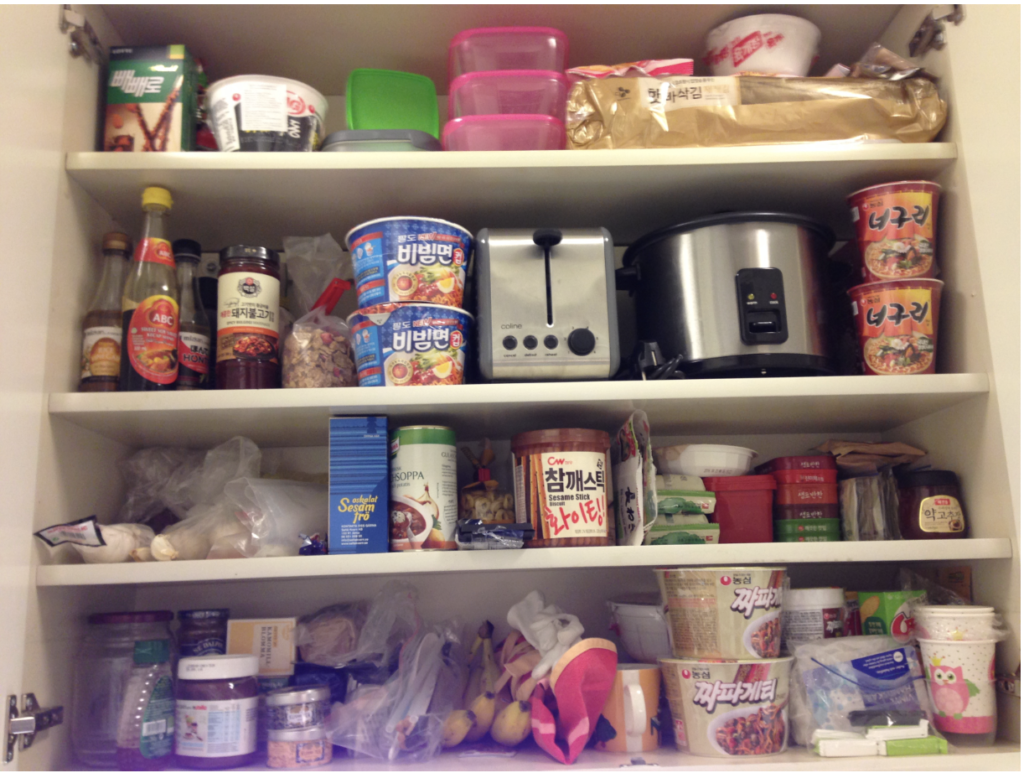
Grocery shopping soon became part of my daily routine. I filled my basket with vegetables and pasta and cooked simple dinners for myself. On other days, I relied on cup rice, instant noodles, and packaged food sent from Korea by friends and family who worried whether I was eating properly in such a distant country.
Their concern showed. Care packages arrived so frequently that even my Swedish landlord seemed amused by the sheer volume of Korean ingredients filling my kitchen.
When Cooking Becomes a Burden
As weeks passed, I began to feel—quite viscerally—how much of my time disappeared into cooking, washing dishes, and cleaning. At some point, I started wondering whether I had come abroad to pursue a master’s degree, or simply to learn how to live on my own.
I wasn’t cooking for a family. I was feeding one person: myself. I would shop for groceries, prepare ingredients, cook a meal, finish eating in under ten minutes, and then face a sink full of dishes.
After suppressing the irritation that rose from deep within, I often found myself asking a strangely philosophical question:
Why do humans have to eat three meals a day, anyway?
Cooking Burnout When Living Alone in Sweden
That was when I turned to Sweden’s frozen food aisle. Microwave-ready hamburger steaks with mashed potatoes. Single-serving frozen pizzas. In exchange for meals that required no preparation and no dishes, I willingly gave up taste, pleasure, and even nutrition.
It was around this time that a Swedish friend, after listening patiently to my complaints, introduced me to what might be the ultimate solution to cooking burnout: Pytt i Panna.
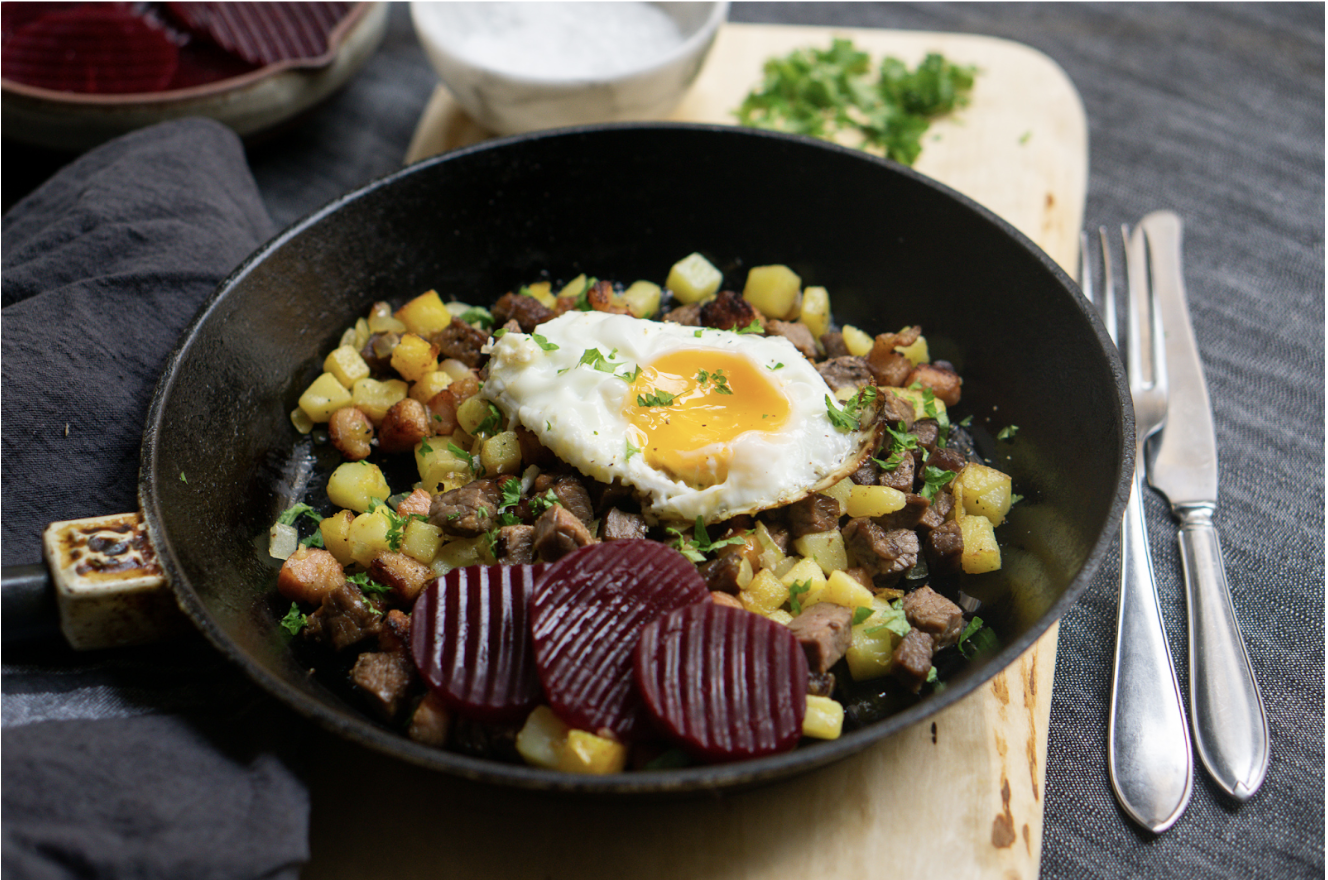
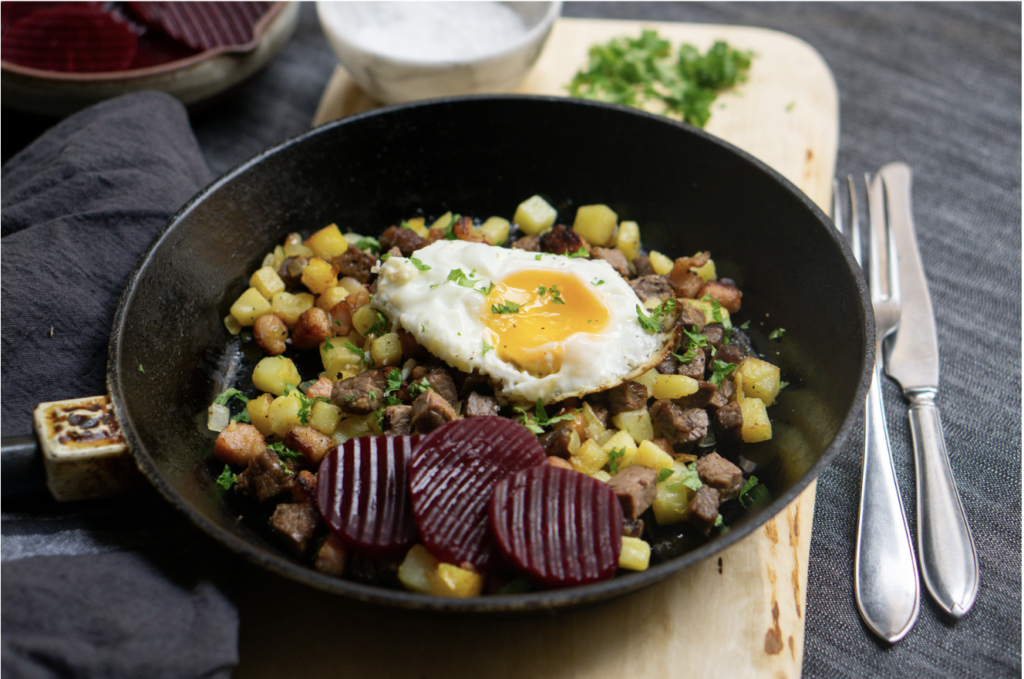
Pytt i Panna literally means “small pieces in a frying pan.” Potatoes, processed meats like bacon or sausage, and an onion—finely chopped and fried together, then topped with a fried egg. That’s it.
In spirit, it’s a “clean-out-the-fridge” dish. Not unlike bibimbap made with leftover side dishes, or fried rice built from aging kimchi—comfort food born out of necessity.
Convenience at a Cost
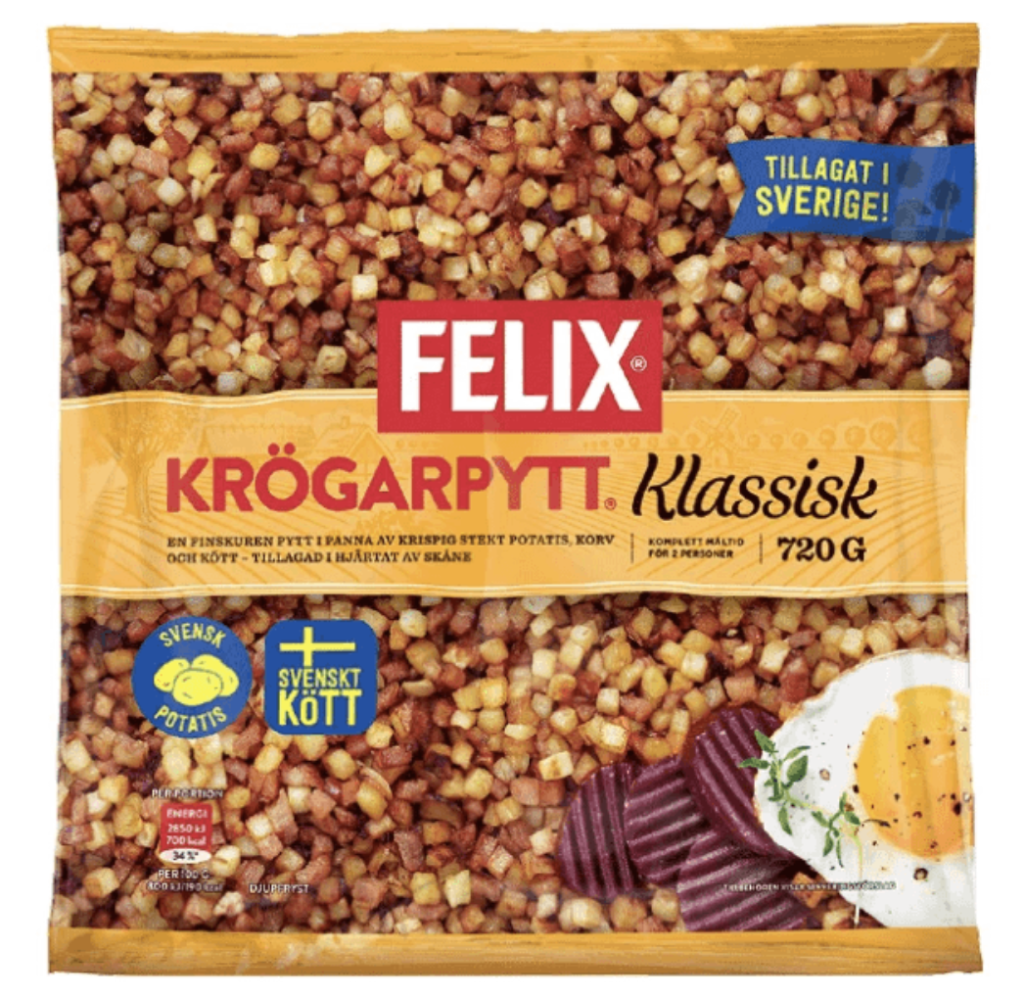
Once I accepted Sweden’s frozen foods, Pytt i Panna led to an even bigger realization. I didn’t need to chop anything myself. Supermarkets sold frozen Pytt i Panna in family-sized packs, pre-cut and ready to go.
I stopped asking myself what to eat and began sustaining myself on Pytt i Panna and twelve-packs of eggs.
The ritual was always the same. A runny fried egg on top, ketchup drizzled over everything, and a side of pickled beets—the deep purple kind made from beetroot. Some people even added HP Sauce, a tangy British steak sauce.
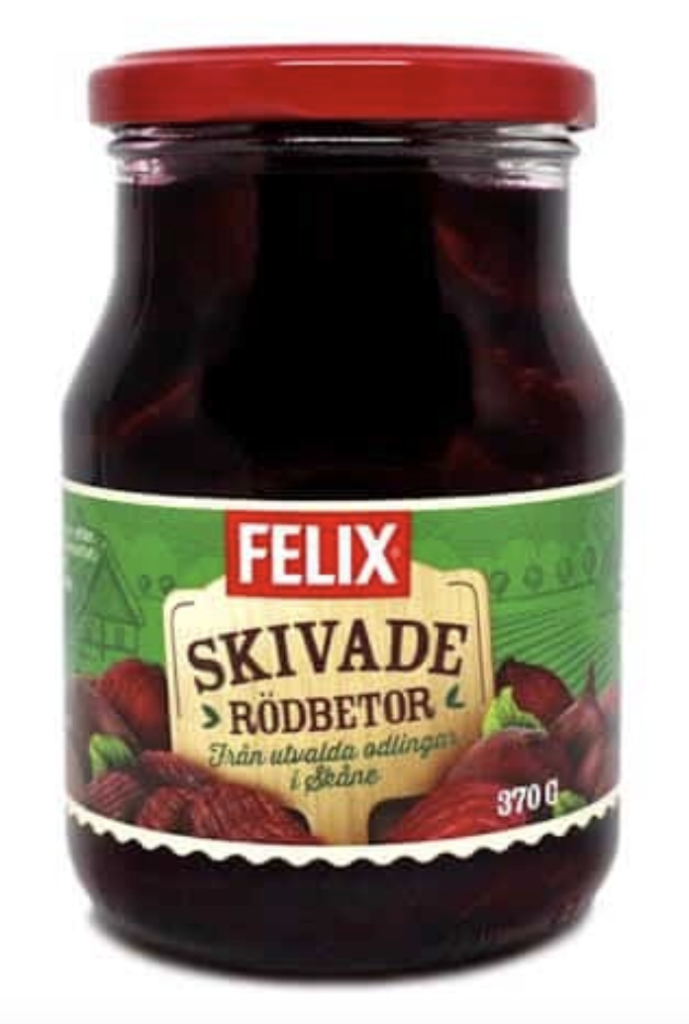
The taste hardly needs explaining. Butter-fried potatoes, onions, and meat—immediately satisfying, and surprisingly hard to get tired of.
And yet, because I began eating Pytt i Panna at a time when I was already neglecting myself, something felt off. After each meal, a quiet thought followed:
Today again, I chose convenience over taking proper care of myself.
Little by little, I started eating it less.
What Feeding Yourself Really Means
Until then, I had lived on warm meals of rice, soup, and side dishes—made possible because someone else carried the burden of cooking. Shopping, prepping, standing over a hot stove, washing dishes afterward.
Living alone in Sweden, that labor became unavoidable. If I wanted to be fed, I had to take it on myself.
I imagine many people—whether in Korea or elsewhere—are carrying this burden alone today. Feeding themselves, day after day. And in a foreign country, the weight of it often feels heavier.
Still, because emotional hunger has a way of catching up with you, I hope no one lives on improvised meals for too long. Even “cleaning out the fridge” shouldn’t rely on frozen food except in true emergencies.
“When Cooking Feels Like Too Much: Living Alone in Sweden”에 대한 1개의 생각