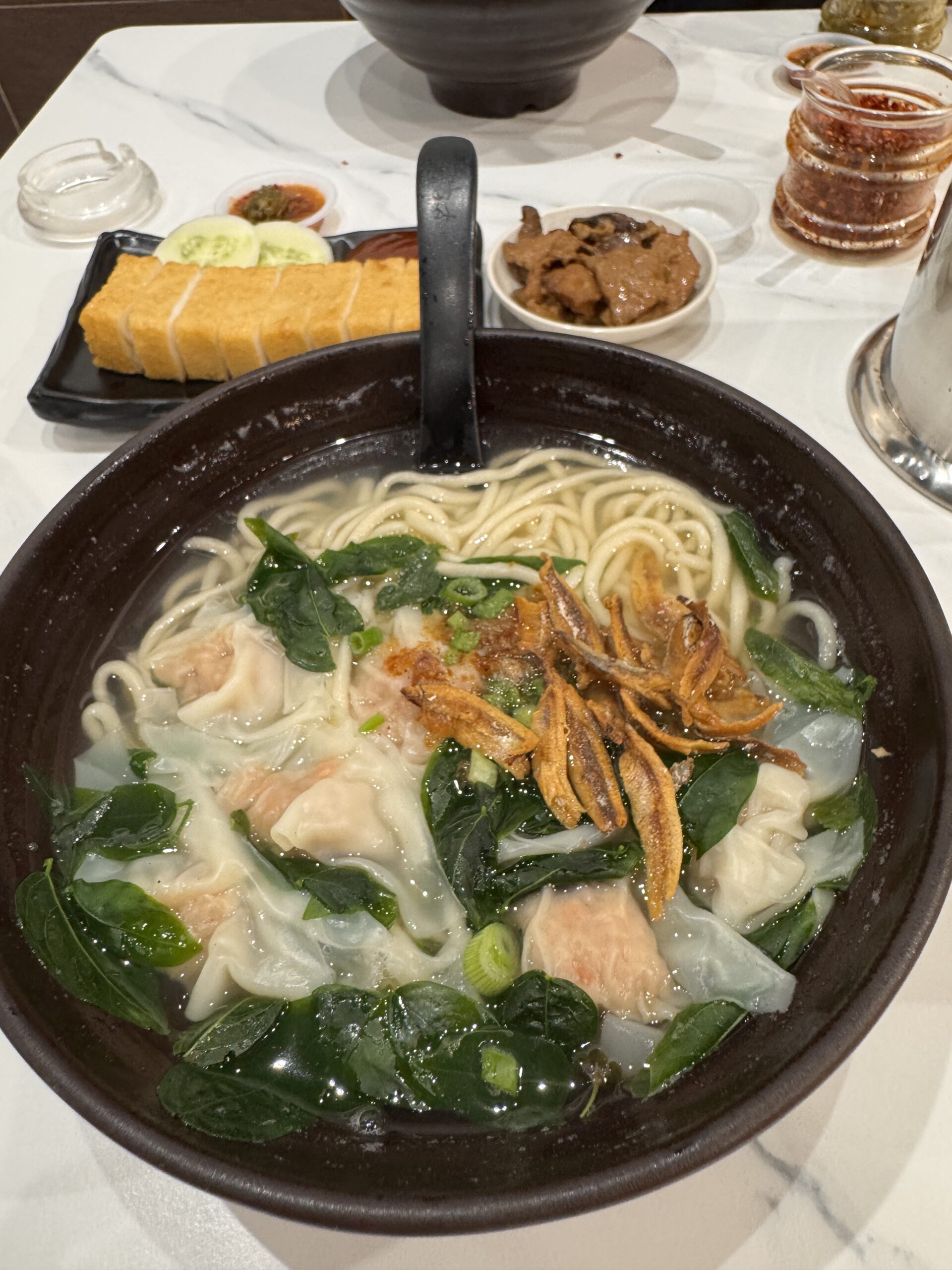
Living in Kuala Lumpur, I’ve come to notice how some Chinese-Malaysian dishes sit unexpectedly close to Korean comfort food—not because they imitate it, but because they rely on similar foundations.
Anchovy broth is one of them.
For Koreans, anchovy-based stock is the quiet backbone of everyday meals. It’s not flashy or celebratory, just reliable—used for noodles and soups meant to be eaten without much thought. Finding that same familiar depth in Malaysia felt unremarkable in the best possible way. That’s how I ended up at Jojo Little Kitchen.
Pan Mee Without the Need for Labels
Jojo Little Kitchen is a casual chain specialising in pan mee, a Chinese-Malaysian noodle dish built around anchovy-based broth. On the menu, you first choose the dish, then select the noodles. The options include thin wheat noodles, flat knife-cut noodles, or hand-torn pieces of dough.
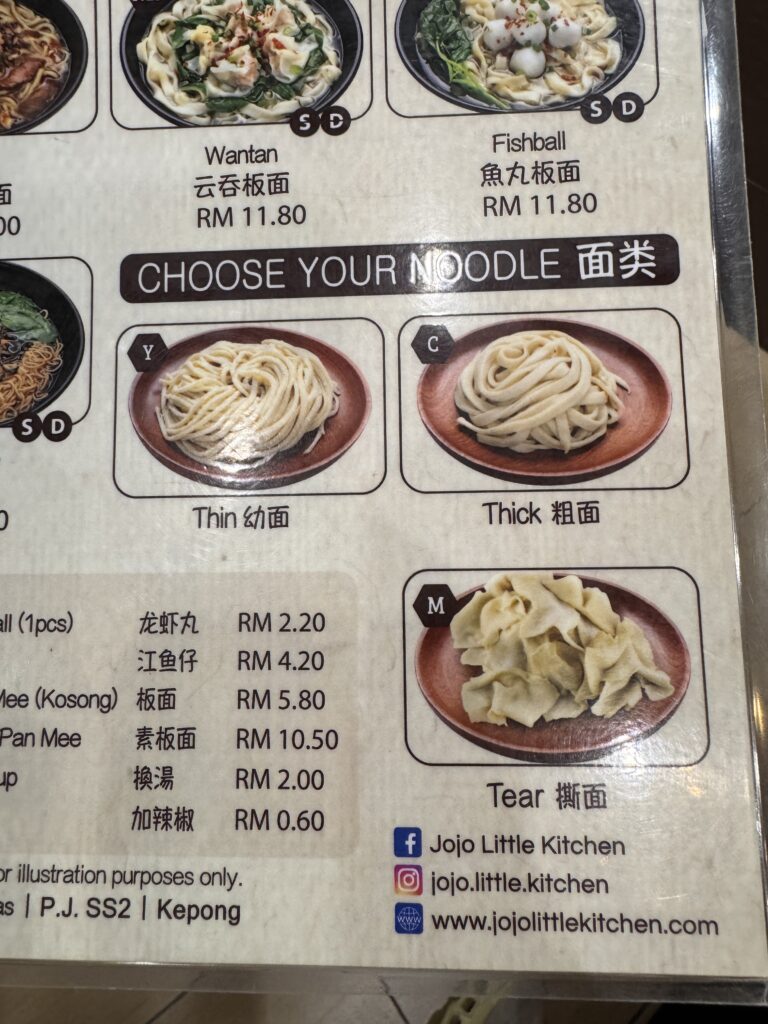
The hand-torn dough is worth pausing on—not because of its form, but because of what it represents. In Korea, dishes made from roughly torn dough are closely associated with home cooking and ordinary days, the kind of meals that don’t announce themselves but quietly do their job. That same feeling carries through here, even in a different culinary context.
I visited twice and chose the thin noodles both times. They were light, easy to eat, and well suited to a broth that doesn’t try to overpower.
A Bowl for Unremarkable Moments
This isn’t the kind of place you seek out for a special occasion. The broth is clear, lightly savoury, and unmistakably anchored by dried anchovies rather than oil or spice. It doesn’t demand attention. It simply holds the dish together.
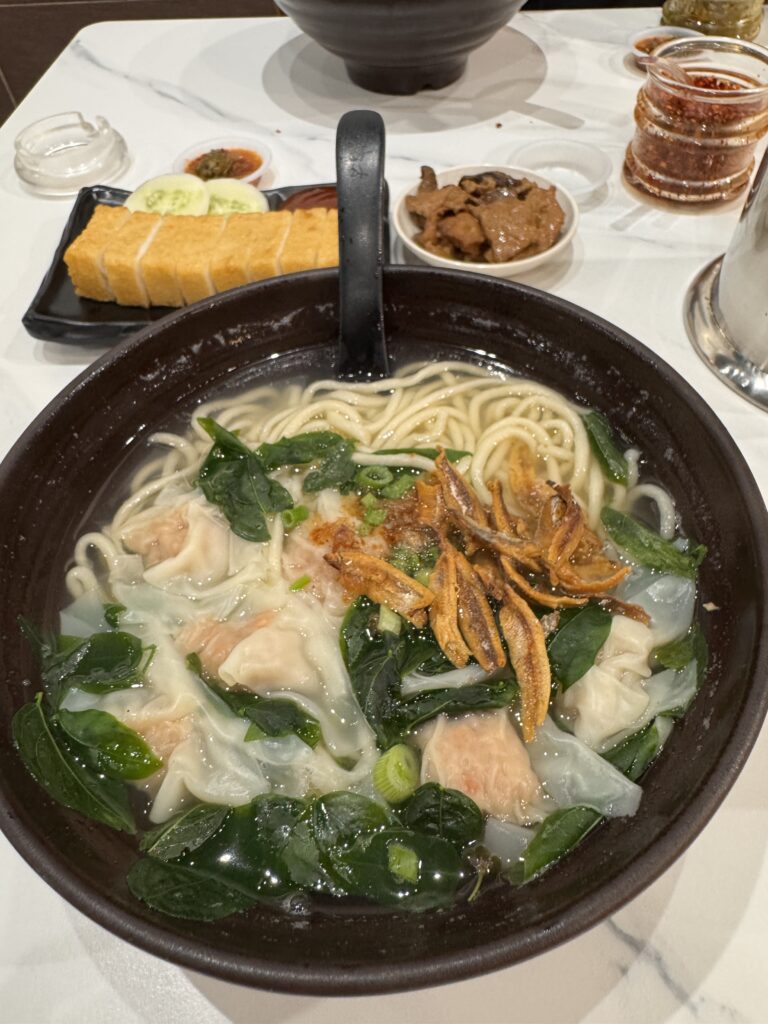
Although Kuala Lumpur is known for its heat, the reality of sudden rain and aggressive indoor air-conditioning often makes hot soup more appealing than expected. On those days, a bowl of anchovy broth noodles doesn’t just warm you up—it settles you.
A Neighbourhood Chain, Seen Up Close
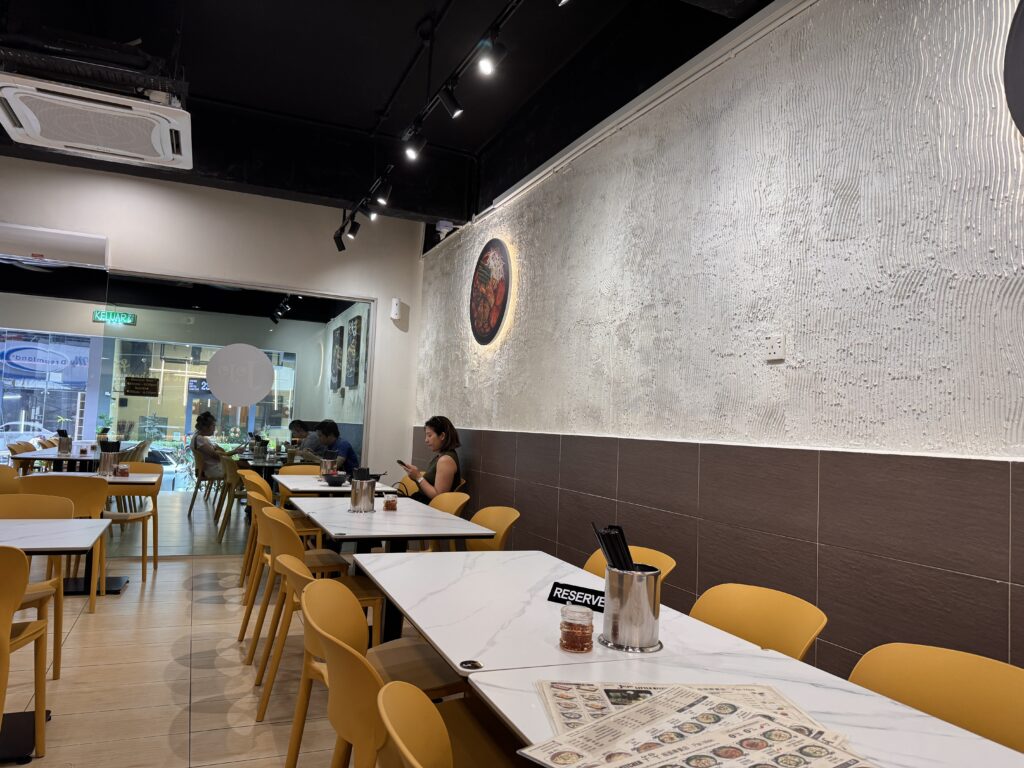
Jojo Little Kitchen has multiple locations across Malaysia, and the atmosphere varies by branch. The outlet I visited was in Desa Sri Hartamas, an area known for its mix of local eateries alongside Korean and Japanese restaurants.
Both visits took place outside typical meal times, yet there were still customers dining inside. The space was bright, unpretentious, and functional—clearly designed for regular use rather than lingering.
Paying Without Cash
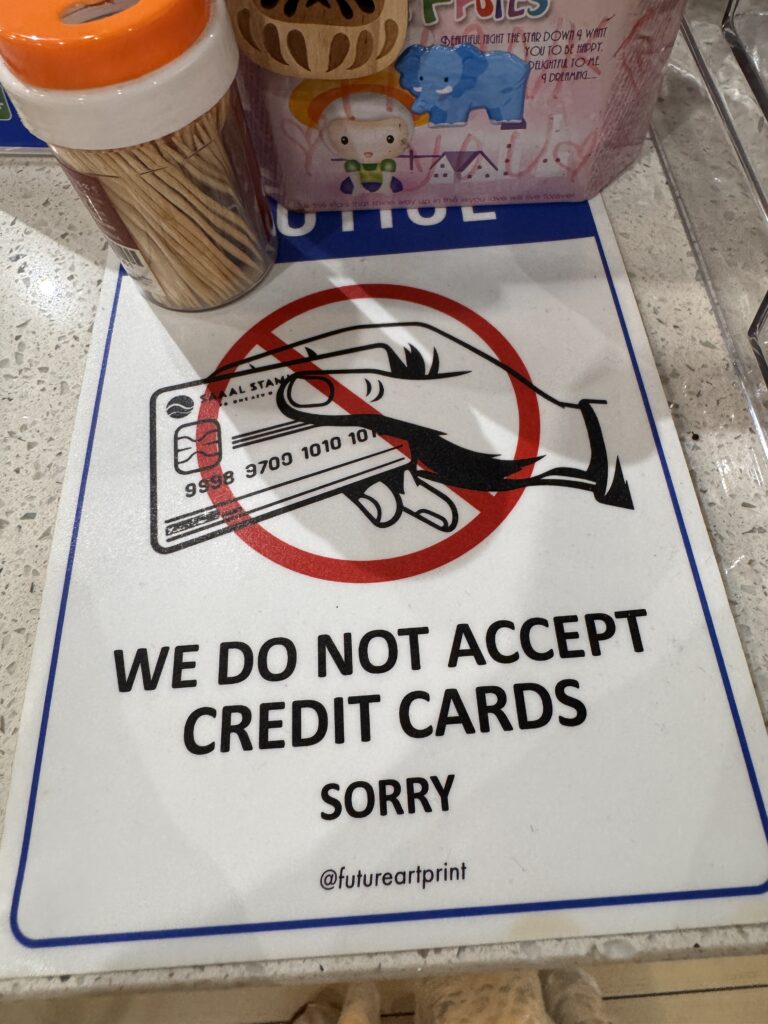
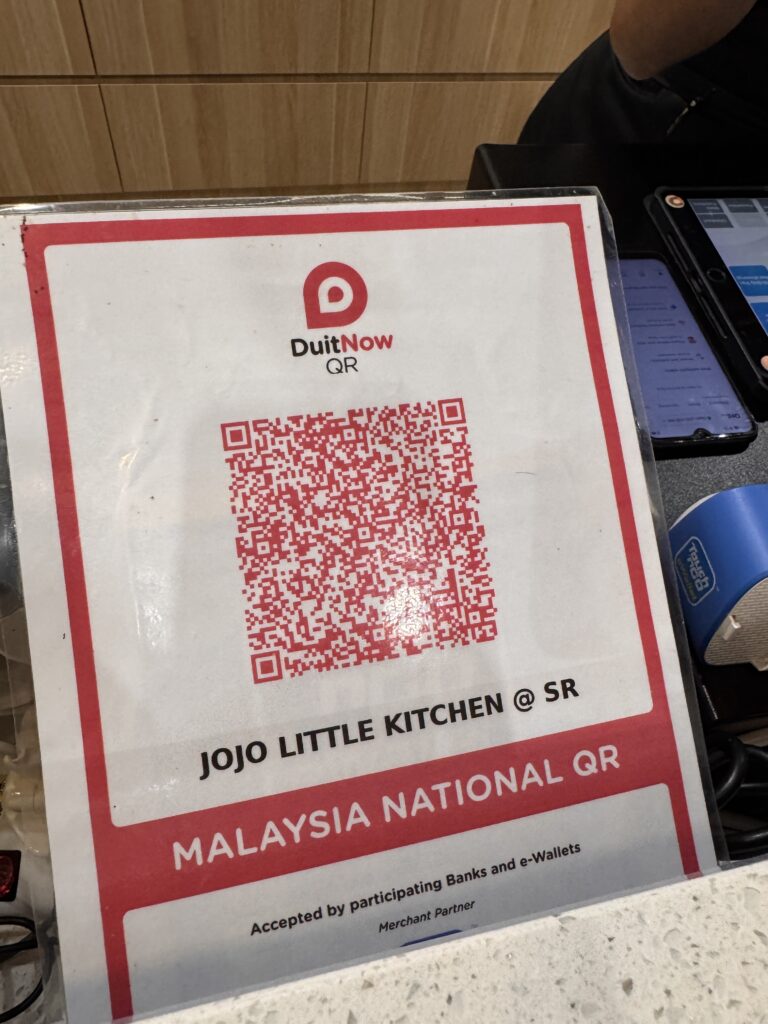
One practical detail to note is that Jojo Little Kitchen does not accept credit cards. Even so, payment isn’t inconvenient. Like many restaurants in Malaysia, it relies on QR-based payment systems, allowing diners to pay without carrying cash. As long as your payment app is compatible with local QR networks, settling the bill is straightforward.
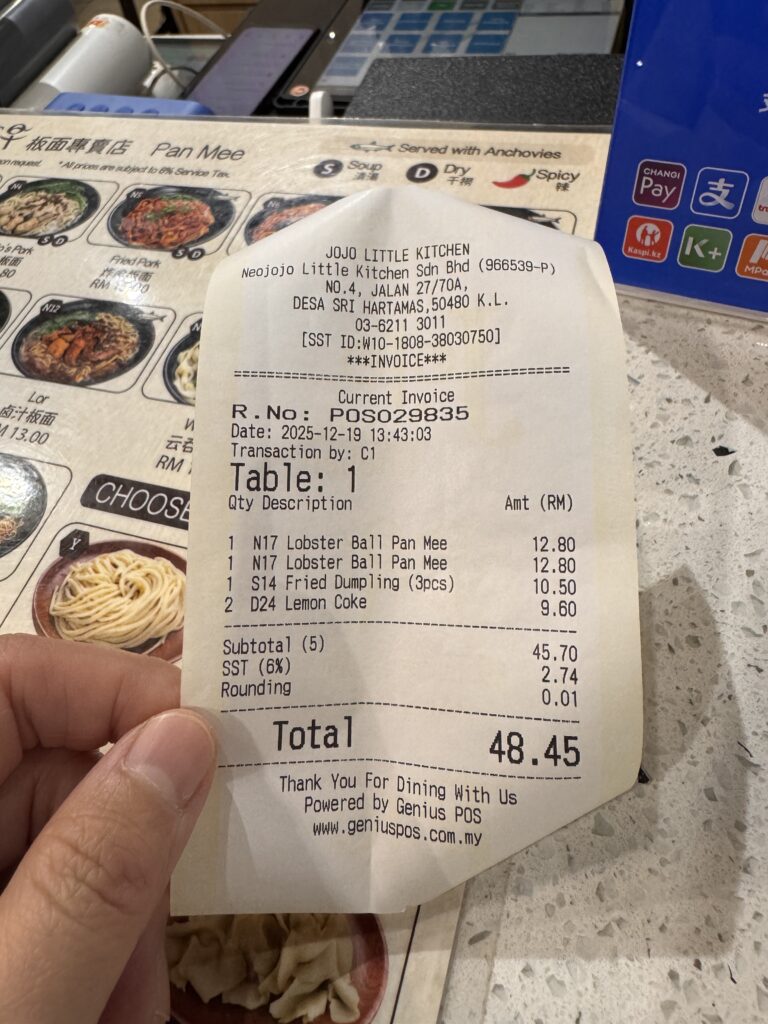
Prices are modest, portions are generous, and side dishes like fried dumplings are worth ordering.
Comfort Without Ceremony
Jojo Little Kitchen isn’t a destination restaurant.
It’s where you go when you want something familiar, filling, and uncomplicated—especially if anchovy broth happens to mean something to you.
It doesn’t ask for attention.
It simply does what it’s supposed to do.
And sometimes, that’s exactly enough.
📍 Jojo Little Kitchen @ Desa Sri Hartamas : https://maps.app.goo.gl/Q9WsEPmj8d5YrBjo9
🍜 Jojo Little Kitchen Official Instagram: https://www.instagram.com/jojolittlekitchenmsia/